

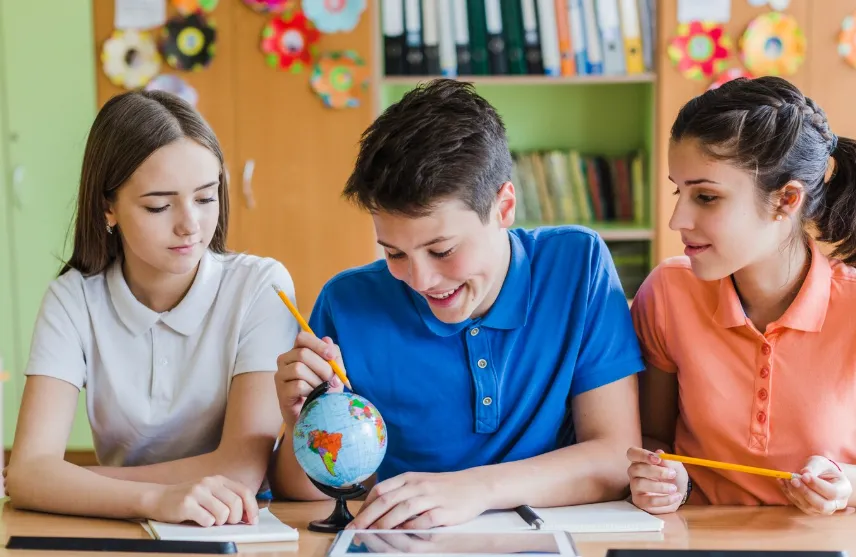
Education is influenced not only by what students learn but also by the environment in which learning takes place. A school that brings together students from different countries and cultural backgrounds can offer experiences that extend beyond traditional academic subjects. International learning environments encourage communication, cultural awareness, collaboration, and independent thinking.
As societies become increasingly connected, these skills can help students understand different perspectives and prepare for future educational and professional opportunities.
Exposure to Different Cultures and Perspectives
One of the main benefits of an international school environment is regular interaction with people from different backgrounds. Students may share classrooms with classmates who speak different first languages, follow different traditions, and have varied experiences of the world.
These interactions can make cultural differences easier to understand. Students may learn about celebrations, family traditions, food, communication styles, and social customs through everyday conversations rather than relying exclusively on textbooks.
Exposure to different perspectives can also encourage curiosity. When students encounter unfamiliar ideas, they have opportunities to ask questions, reconsider assumptions, and develop a broader understanding of the world.
Developing Communication Skills
Communication is an essential part of learning in a diverse classroom. Students need to explain their ideas, listen carefully, ask questions, and make themselves understood by classmates who may have different language abilities.
In an international environment, these skills are practised through presentations, group discussions, classroom debates, and collaborative assignments.
Students learning a second language may benefit from using it in practical situations. Rather than focusing only on grammar exercises, they can develop confidence by communicating with classmates during everyday activities.
Teachers can support this process by encouraging inclusive discussions and providing opportunities for students with different language levels to participate.
Building Collaboration and Teamwork
Group projects allow students to combine their knowledge and approach a task from different perspectives. In an international classroom, teamwork may involve negotiating ideas, dividing responsibilities, and finding common ground despite differences in communication styles.
These experiences can develop problem-solving and cooperation. Students learn that successful teamwork requires more than completing individual tasks; it also involves respecting deadlines, sharing information, and recognising the contributions of others.
Clear expectations are important. Teachers should explain individual responsibilities and assessment criteria so that students understand how their contributions affect the overall project.
Discussions about individual responsibility in group projects highlight why fairness, accountability, and honest collaboration matter in educational settings.
Encouraging Independence and Adaptability
Students in international learning environments often need to adjust to unfamiliar routines, teaching methods, and social expectations. This process can encourage adaptability and self-confidence.
For example, a student who moves from a lecture-focused educational system to a classroom that emphasises discussion may initially find participation unfamiliar. Over time, the student can become more comfortable sharing opinions and asking questions.
Learning to adapt does not mean abandoning personal values or cultural identity. Instead, students gain the ability to understand different approaches while remaining confident in their own perspectives.
These skills can be useful when students move to universities, join international teams, or work in multicultural environments later in life.
Learning Languages Through Daily Interaction
Language learning becomes more meaningful when students have opportunities to use new vocabulary in real situations. International schools can provide this through conversations, shared activities, collaborative tasks, and classroom discussions.
Students may practise explaining a concept, asking for clarification, or participating in a group activity. These situations help connect classroom knowledge with practical communication.
The CEFR language proficiency framework offers a useful reference for understanding how learners develop skills across listening, reading, speaking, and writing.
Understanding Global Issues
International classrooms can provide a useful setting for discussing subjects that affect communities around the world. Topics such as environmental responsibility, technology, public health, migration, and access to education may be understood differently depending on students’ backgrounds.
When teachers encourage respectful discussion, students can compare viewpoints and examine how local experiences relate to global challenges.
This approach can help develop critical thinking. Rather than accepting information without question, students learn to consider evidence, evaluate arguments, and explain their conclusions.
Preparing for Further Education and Professional Life
Universities and workplaces increasingly involve communication across cultural and geographical boundaries. Students who have experience working with people from different backgrounds may find it easier to adjust to international study environments and collaborative professional settings.
They may also develop transferable skills such as presentation, negotiation, time management, and problem-solving.
Programmes offered by organisations with international learning opportunities, including Sprachcaffe’s global schools, can introduce learners to educational experiences beyond their usual surroundings.
The Importance of an Inclusive School Culture
Cultural diversity alone does not guarantee a positive learning environment. Schools need clear policies that encourage respect, prevent discrimination, and ensure that every student has an opportunity to participate.
Teachers can support inclusion by using varied teaching methods, encouraging respectful questions, and recognising different learning needs. Schools can also organise cultural activities that allow students to share their backgrounds voluntarily.
When students feel respected and supported, they are more likely to contribute confidently and build meaningful relationships.
Conclusion
An international school environment can support academic growth while helping students develop communication, collaboration, adaptability, and cultural awareness. By learning alongside people with different experiences, students gain opportunities to question assumptions and understand a wider range of perspectives. These experiences can prepare them for further education and an increasingly interconnected world. The greatest value comes from an inclusive environment where diversity is respected and every student has the opportunity to participate.