

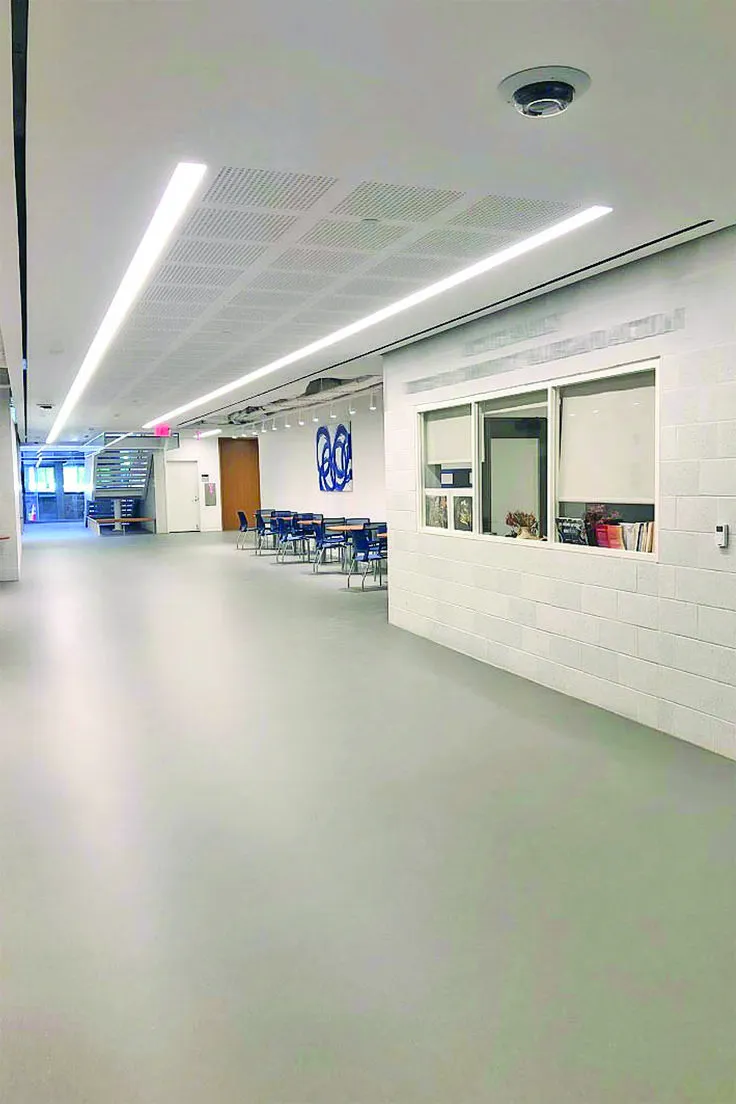
Customers begin forming opinions about a retail store before speaking to an employee or examining a product. Lighting, displays, cleanliness, and interior finishes all influence how welcoming a space feels. Flooring plays an important role because it connects every section of the store and affects how people move through the environment. Well-designed commercial epoxy flooring can help retailers create attractive interiors while addressing the practical demands of foot traffic, routine cleaning, and daily operations. For business owners planning renovations, the floor should be considered part of the overall customer experience rather than simply a construction requirement.
First Impressions Begin at the Entrance
The entrance establishes expectations for the rest of a store. Worn flooring, noticeable stains, or damaged surfaces can distract from carefully arranged merchandise and promotional displays.
A consistent floor finish helps create a more organized appearance. Retailers can use color, texture, and subtle design transitions to connect different sections. The selected materials should also accommodate moisture and dirt brought indoors during rainy weather.
Connect Flooring With Brand Identity
Retail branding extends beyond signs and packaging. Interior colors, display materials, and architectural details can reinforce the personality of a business without overwhelming the shopping experience.
A modern electronics retailer may prefer understated gray flooring, while a creative boutique might explore decorative flakes or a more distinctive finish. Some resinous systems also allow customized colors and patterns. However, decorative choices should remain appropriate for the store’s lighting, traffic, and cleaning requirements.
Create a Comfortable Shopping Environment
Customers need enough space to browse without constantly navigating obstacles. The arrangement of displays, checkout counters, and product aisles affects movement, while flooring provides a visual foundation for these routes.
A continuous floor design can make connected areas feel more spacious. Different colors may also help distinguish departments or service zones. Any transition between surfaces should be planned carefully to prevent uneven edges or unnecessary tripping hazards.
Match Materials to Business Requirements
Not every commercial property experiences the same conditions. Clothing stores generally face different flooring demands from automotive showrooms, restaurants, and businesses handling heavy equipment.
When comparing options for epoxy commercial flooring, property owners should consider expected traffic, possible chemical exposure, surface preparation, and cleaning frequency. A suitable coating specification depends on the building’s actual operating conditions rather than appearance alone.
Support Practical Cleaning Routines
Retail floors need regular maintenance to remain presentable. Dust, tracked-in moisture, and accidental spills can quickly affect the appearance of busy customer areas.
Resin-based flooring systems can provide relatively continuous surfaces that simplify certain cleaning tasks. Nevertheless, the appropriate cleaning procedure depends on the selected finish. Retailers should use compatible products, remove spills promptly, and avoid practices that could damage decorative surfaces.
Consider Safety Alongside Appearance
Smooth, reflective floors can complement modern interiors, but surface traction becomes especially important near entrances, beverage counters, and other locations exposed to liquids.
A suitable textured finish may help reduce slipping risks under expected conditions. Business owners should evaluate applicable building and accessibility requirements rather than assuming every coating offers sufficient traction. Effective cleaning procedures and prompt hazard removal remain essential.
Plan Renovations Around Store Operations
A retail flooring project can temporarily disrupt customer access and merchandise displays. Careful scheduling helps limit the impact on employees, deliveries, and regular business activity.
Before installation, retailers should discuss surface preparation, ventilation, curing requirements, and reopening conditions with their contractor. Larger stores may sometimes complete improvements in phases, although the feasibility depends on the layout and flooring system. Clear communication allows staff to prepare for necessary changes.
Evaluate the Investment Beyond Installation
Flooring costs extend beyond the initial quotation. Maintenance labor, repairs, expected service life, and potential interruptions to business operations can influence long-term expenses.
A comparison should include:
-
Required concrete preparation and repairs.
-
Suitability for expected customer traffic.
-
Cleaning and maintenance requirements.
-
Installation and curing schedules.
-
Available finishes and design flexibility.
Understanding these details helps retailers distinguish between systems that merely look attractive and those that can support their operating needs.
Conclusion
Retail flooring contributes to the customer experience by influencing appearance, movement, cleanliness, and the overall atmosphere of a store. Choosing an appropriate finish requires attention to brand identity as well as daily operating conditions. Business owners should evaluate the existing substrate, compare material specifications, and consider maintenance before committing to a renovation. For retailers exploring decorative and durable floor coating options in South Carolina and neighboring service areas, carolinaflooringspecialists.com offers information about commercial resinous flooring systems. A carefully planned floor can support an inviting shopping environment while providing a practical foundation for long-term business activity.